Import Export Code (IEC) vs. Other Trade Licenses: What Sets It Apart?
When engaging in international trade, understanding the different licenses and codes required can be crucial for smooth operations. One key element in this domain is the Import Export Code (IEC), a unique identifier for businesses involved in import and export activities. But how does the IEC compare to other trade licenses? Let’s explore what sets the Import Export Code apart and why it is essential for your business.
What is Import Export Code (IEC)?
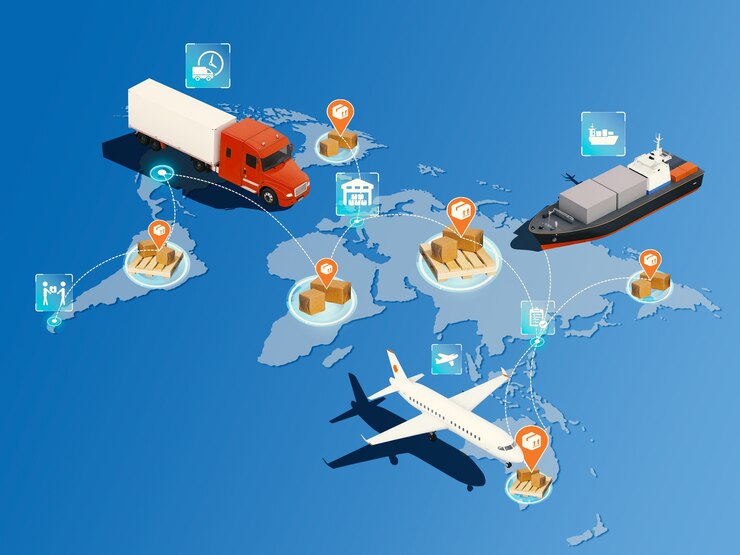
The Import Export Code (IEC) is a 10-digit code issued by the Directorate General of Foreign Trade (DGFT) in India. It is mandatory for any business looking to engage in import or export activities. The IEC acts as a unique identification number for your business in the global trade arena, allowing you to facilitate cross-border transactions smoothly.
Key Features of Import Export Code (IEC)
- Mandatory for International Trade: The IEC is compulsory for businesses involved in importing or exporting goods. Without it, you cannot engage in international trade.
- Lifetime Validity: Once issued, the IEC is valid for a lifetime and does not require renewal. This ensures a long-term identification for your business.
- No Compliance Requirements: Unlike some other licenses, the IEC does not have any compliance requirements or annual filings, making it relatively easy to maintain.
Comparing IEC with Other Trade Licenses
- Business Registration vs. IEC
- Business Registration: This is a basic requirement for starting a business. It involves registering your business with local authorities and does not necessarily relate to international trade.
- IEC: Specifically required for import and export activities, ensuring your business is authorized to engage in global transactions.
- GST Registration vs. IEC
- GST Registration: Required for businesses involved in the supply of goods and services within India. It facilitates the collection and payment of Goods and Services Tax (GST).
- IEC: Focuses on international trade and is not related to domestic tax regulations. It does not overlap with GST registration but complements it for cross-border trade.
- Import License vs. IEC
- Import License: Issued for specific types of goods or products. It regulates the import of controlled items and often requires compliance with additional regulations.
- IEC: Provides a general authorization for importing and exporting and is not limited to specific products or categories.
- Export License vs. IEC
- Export License: Similar to the import license, it is required for exporting specific controlled items. It often involves additional documentation and compliance requirements.
- IEC: Acts as a broad authorization for export activities and is more straightforward in terms of application and maintenance.
Why IEC is Essential for Your Business
- Simplifies Trade Procedures: The IEC streamlines the process of importing and exporting by providing a unique identifier for your business, facilitating smoother transactions with customs and other regulatory bodies.
- Expands Market Reach: With an IEC, your business gains access to international markets, enhancing growth opportunities and enabling global trade partnerships.
- Compliance and Credibility: Having an IEC adds credibility to your business, showcasing compliance with international trade regulations and fostering trust with foreign partners.
Conclusion
The Import Export Code (IEC) is a crucial component for businesses engaged in international trade. While other trade licenses serve specific purposes and are essential for various aspects of business operations, the IEC uniquely facilitates cross-border transactions and simplifies trade procedures. By understanding the differences and importance of the IEC, you can better navigate the complexities of global trade and ensure smooth business operations.
For more information on obtaining or managing your Import Export Code (IEC), contact us at:
Call Us: (+91) 74-192-77-192
Mail Us: thetaxcompliance@gmail.com
Website: thetaxcompliance.com